

Morocco offers travelers an intoxicating blend of ancient culture, stunning landscapes, and vibrant cities that captivate millions of visitors each year. Whether you’re wandering through bustling souks, trekking across golden sand dunes, or sipping mint tea in a centuries-old riad, the things to do in Morocco are as diverse as they are memorable. This North African gem seamlessly combines African, Arab, and European influences, creating experiences you won’t find anywhere else on Earth.
From the snow-capped Atlas Mountains to the windswept Atlantic coastline, Morocco’s geographical diversity matches its cultural richness. This comprehensive guide will help you navigate the country’s must-see attractions and hidden treasures to make the most of your Moroccan adventure.
Explore Morocco’s Imperial Cities
Morocco’s four imperial cities—Marrakech, Fes, Meknes, and Rabat—form the historical heart of the kingdom. Each city tells a different chapter of Morocco’s rich past and offers distinct experiences for visitors.
Marrakech: The Red City
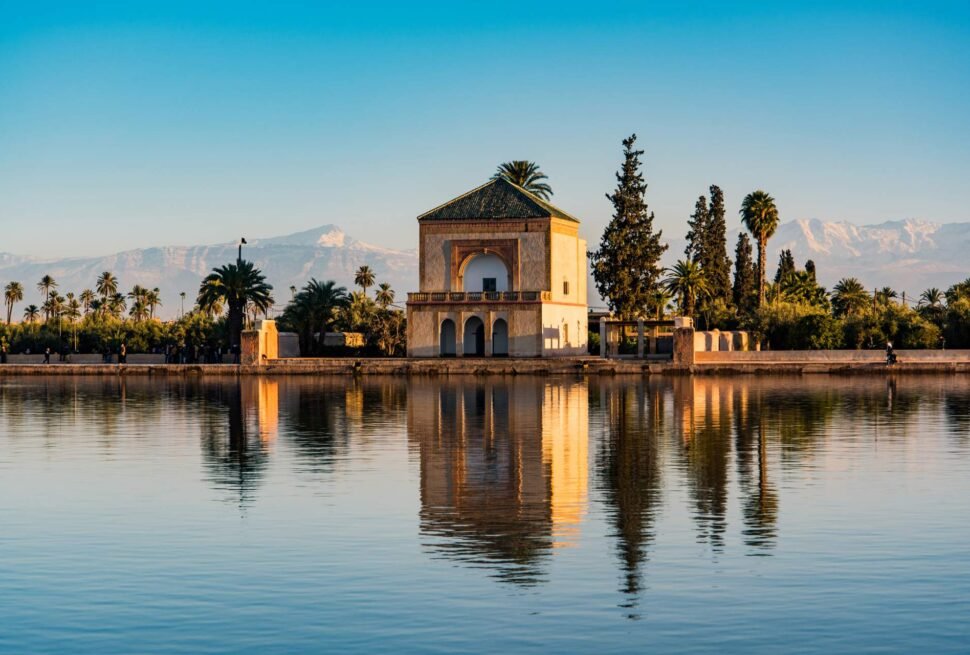
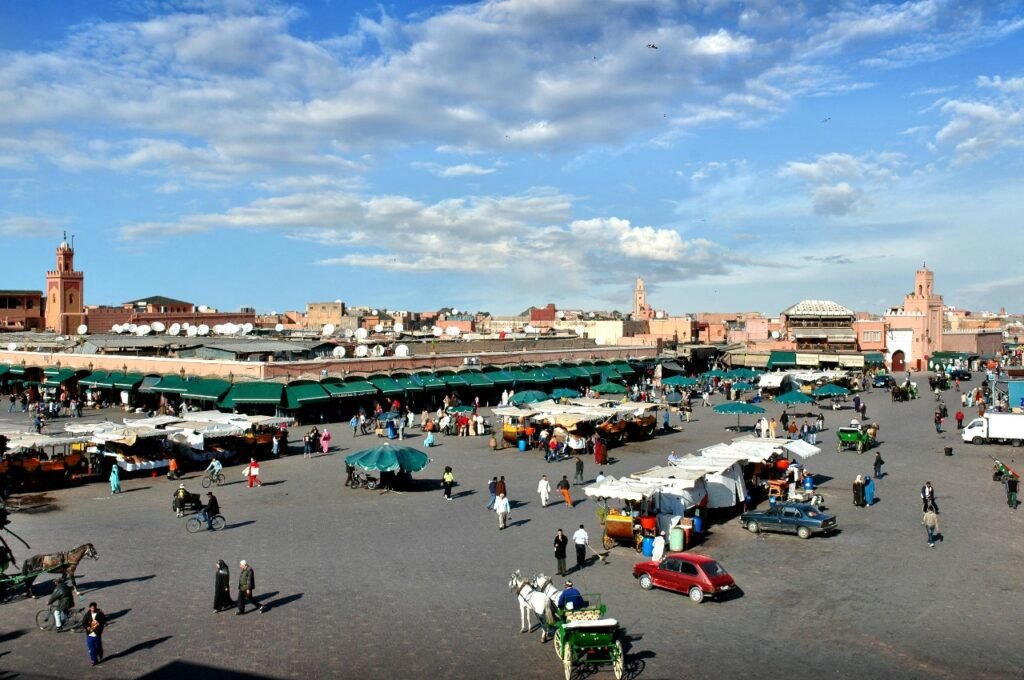
Marrakech stands as Morocco’s most visited destination, welcoming over 3 million tourists annually according to UNESCO tourism statistics. The iconic Jemaa el-Fnaa square pulses with energy day and night, featuring snake charmers, storytellers, and food stalls creating an unforgettable sensory experience.
Don’t miss the Bahia Palace, Koutoubia Mosque, and the serene Majorelle Garden, once owned by Yves Saint Laurent. The city’s countless riads offer authentic accommodations within the ancient medina walls.
Fes: The Cultural Capital
Fes el-Bali, the oldest walled part of Fes, is recognized as a UNESCO World Heritage Site and houses the world’s oldest continuously operating university, the University of Al Quaraouiyine, founded in 859 CE. The medina’s labyrinthine streets contain over 9,000 alleyways where artisans still practice medieval crafts.
The famous Chouara Tannery offers a glimpse into traditional leather-working methods unchanged for centuries. As of 2026, Fes remains Morocco’s spiritual and intellectual center.
Experience the Sahara Desert
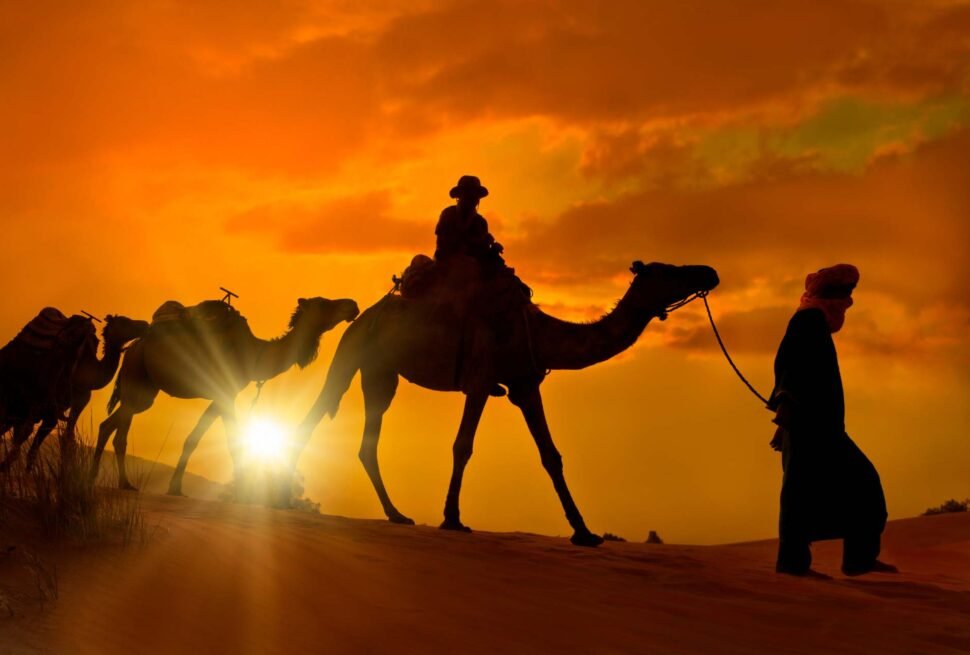
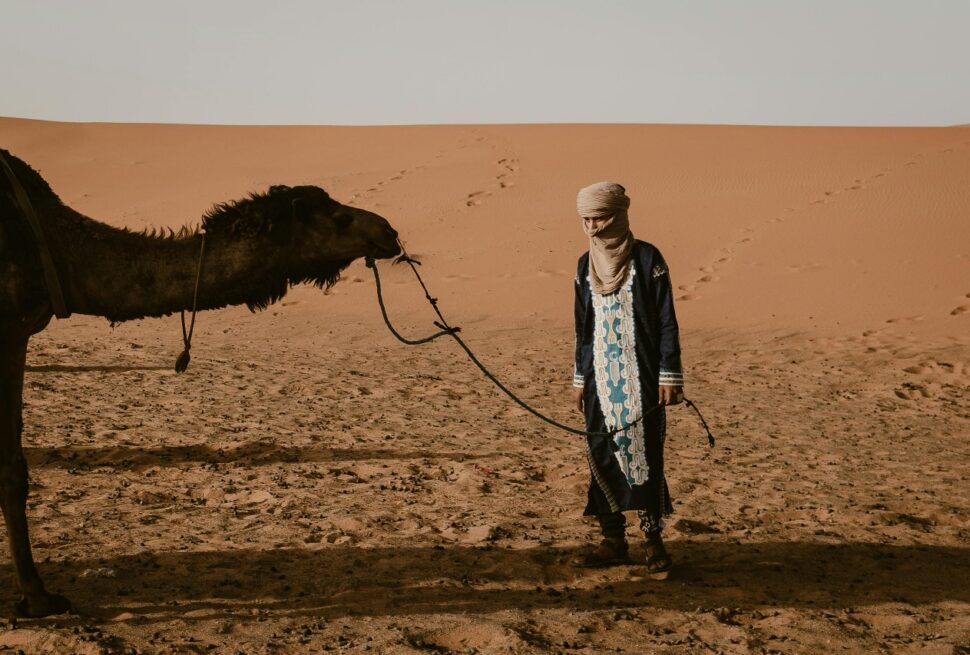
A journey to Morocco isn’t complete without experiencing the majestic Sahara Desert. The golden dunes of Erg Chebbi near Merzouga offer the quintessential desert experience that defines many visitors’ Moroccan memories.
Camel Trekking and Desert Camps
Riding camels across the undulating dunes at sunset ranks among the top things to do in Morocco. Morocco Desert Tours provide overnight experiences in traditional Berber camps, complete with stargazing opportunities unmatched by light-polluted cities.
Many travelers combine desert adventures with visits to the dramatic Todra and Dades Gorges. These natural canyons showcase Morocco’s geological wonders with towering rock walls reaching up to 300 meters high.
Debunking a Common Misconception
Contrary to popular belief, Morocco’s desert isn’t dangerously hot year-round. Winter nights can drop below freezing, so pack layers regardless of season. The best times to visit are spring (March-May) and autumn (September-November) when temperatures remain comfortable.
Discover Morocco’s Coastal Gems
Morocco’s extensive coastline stretches along both the Atlantic Ocean and Mediterranean Sea, offering diverse beach experiences and charming coastal towns.
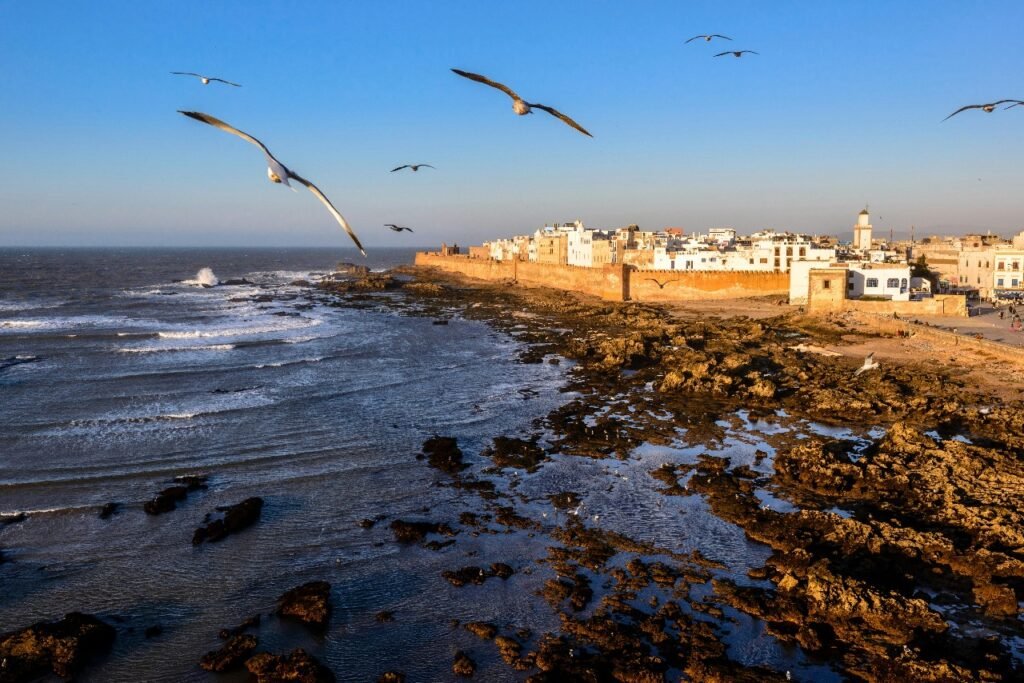
Essaouira: The Windy City
This laid-back port city captivates visitors with its blue-and-white medina, fresh seafood, and constant Atlantic breezes. Essaouira’s ramparts and old Portuguese fortifications earned it UNESCO World Heritage status in 2001.
The city is Morocco’s windsurfing and kitesurfing capital, attracting water sports enthusiasts from around the globe. The annual Gnaoua World Music Festival transforms Essaouira into Morocco’s cultural epicenter each June.
Agadir and Beach Resorts
For sun-seekers, Agadir offers modern resort amenities and 300 days of sunshine annually. The city’s 10-kilometer beach provides pristine sand and excellent swimming conditions, making it perfect for families.
Trek the Atlas Mountains
The Atlas Mountains dominate Morocco’s landscape, offering spectacular trekking opportunities for all fitness levels. Mount Toubkal, North Africa’s highest peak at 4,167 meters, challenges experienced hikers with breathtaking summit views.
The mountain villages provide authentic encounters with Berber communities who have inhabited these valleys for centuries. Spring brings cascading waterfalls and blooming wildflowers, while winter offers Morocco’s only ski resort at Oukaimeden.
Consider hiring local guides through reputable operators—they provide invaluable cultural insights while supporting mountain communities economically. Plan Your Trip resources can help arrange mountain excursions tailored to your abilities.
Immerse in Moroccan Culture
The most rewarding things to do in Morocco often involve cultural immersion rather than just sightseeing. Morocco’s living traditions offer opportunities to connect with centuries-old customs.
Hammam and Spa Experiences
Traditional Moroccan hammams (bathhouses) provide therapeutic cleansing rituals involving steam, black soap, and vigorous exfoliation. Local hammams offer authentic experiences at fraction of tourist spa prices, though luxury riads provide more private alternatives.
Souk Shopping
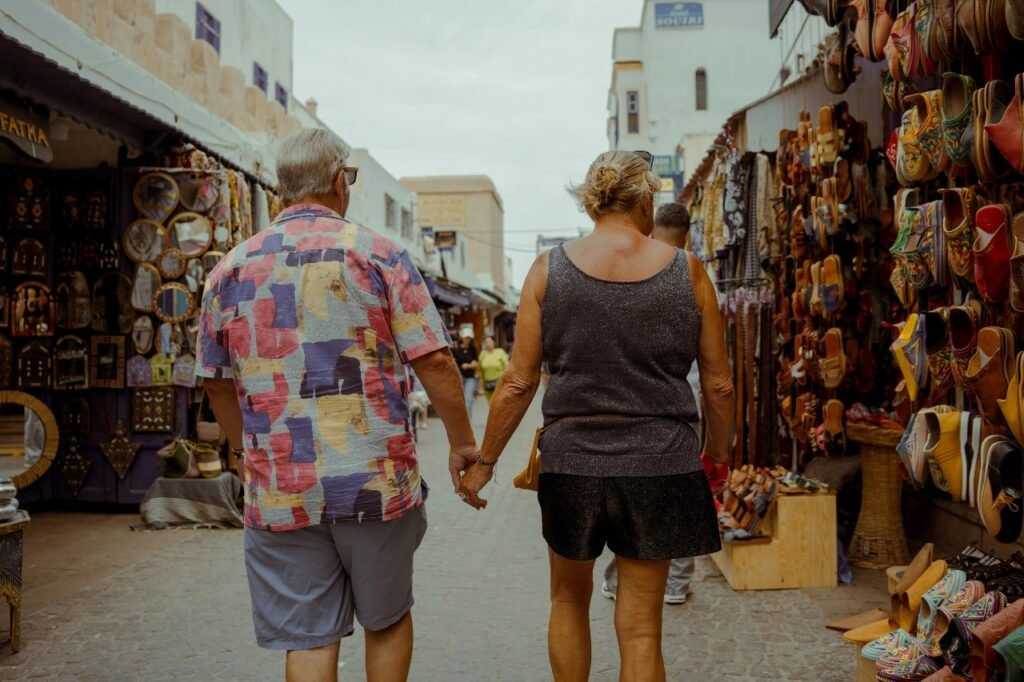
Morocco’s souks overflow with handcrafted treasures including carpets, ceramics, leather goods, and metalwork. Bargaining is expected and forms part of the social experience—start at 50% of the asking price and negotiate respectfully.
Quality argan oil, saffron, and traditional slippers (babouches) make excellent souvenirs. Always buy directly from artisans when possible to ensure authenticity and fair compensation.
Savor Moroccan Cuisine
Moroccan food represents one of the world’s great culinary traditions, blending Arab, Berber, Mediterranean, and African influences into distinctive flavors.
Must-Try Dishes
- Tagine: Slow-cooked stews named after their conical clay cooking vessel
- Couscous: Traditional Friday lunch featuring steamed semolina with vegetables and meat
- Pastilla: Sweet and savory pie layered with phyllo, pigeon or chicken, almonds, and cinnamon
- Harira: Hearty tomato-based soup traditionally breaking the Ramadan fast
- Mint Tea: Morocco’s national drink, served throughout the day as a gesture of hospitality
Taking a cooking class in Marrakech or Fes allows you to recreate Moroccan flavors at home. Many riads offer classes where you’ll shop in local markets before preparing multi-course meals.
Visit Unique Attractions
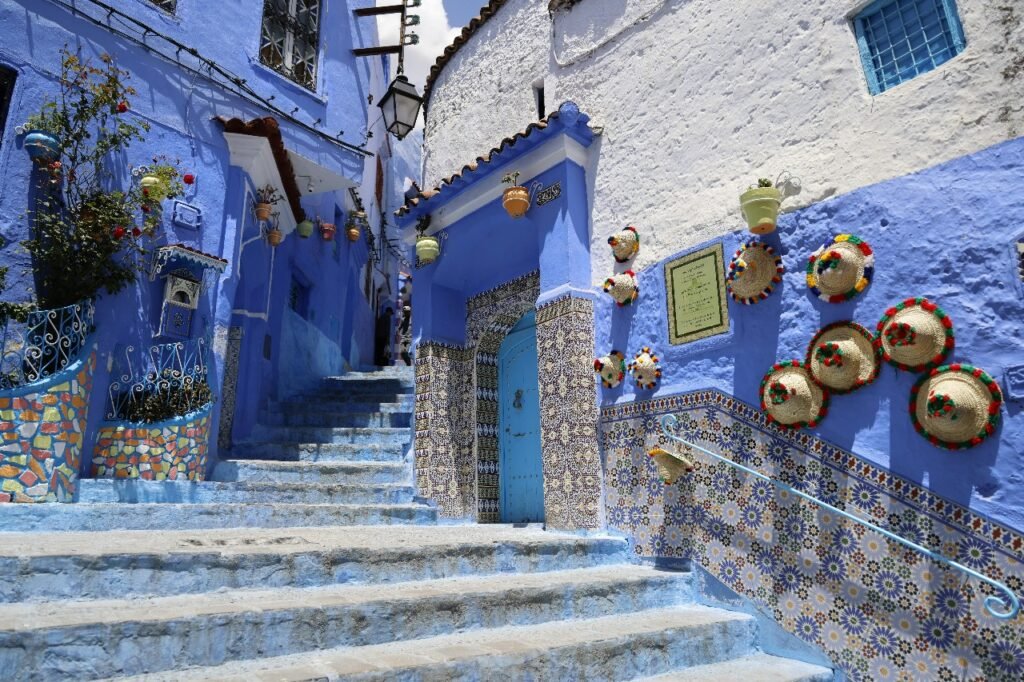
Chefchaouen: The Blue Pearl
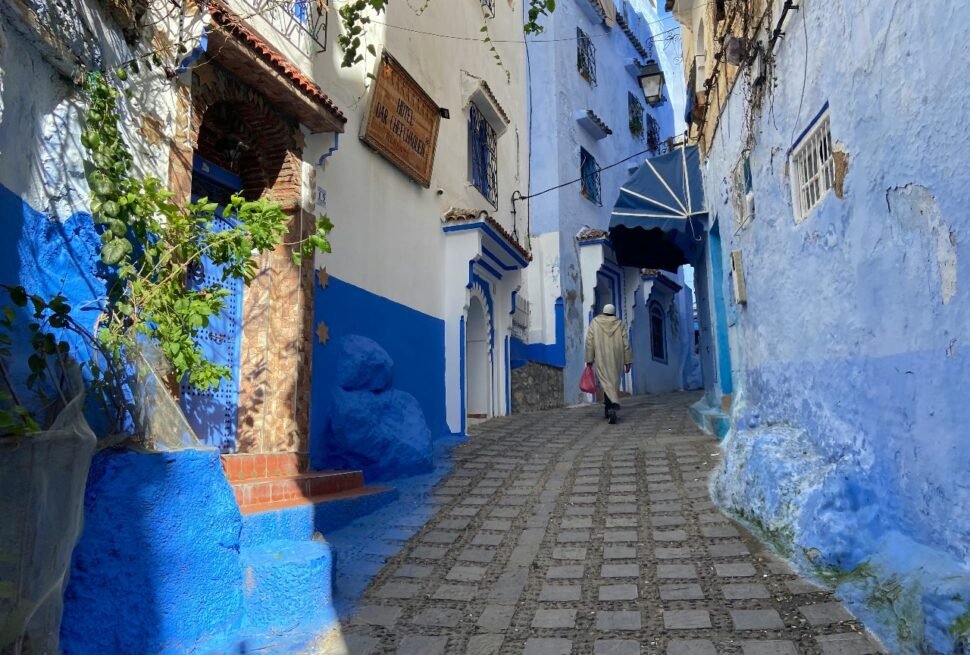
This mountain town’s blue-washed buildings create Instagram-worthy scenes around every corner. Founded in 1471, Chefchaouen offers a relaxed atmosphere perfect for unwinding between more hectic city visits.
Ait Benhaddou
This fortified village, another UNESCO World Heritage Site, has starred in countless films including Gladiator and Game of Thrones. The earthen clay architecture exemplifies traditional southern Moroccan construction methods.
Volubilis Roman Ruins
These remarkably preserved ruins near Meknes showcase Morocco’s Roman past. Intricate mosaics, triumphal arches, and column-lined streets reveal the sophistication of this ancient provincial capital.
For comprehensive itineraries covering these attractions, explore Grand Tours of Morocco that efficiently combine multiple destinations.
Quick Answer: Top Things to Do in Morocco
The best things to do in Morocco include: exploring imperial cities like Marrakech and Fes, camel trekking in the Sahara Desert, wandering Chefchaouen’s blue streets, trekking the Atlas Mountains, relaxing in coastal Essaouira, visiting ancient kasbahs, experiencing traditional hammams, and savoring authentic Moroccan cuisine. Most visitors spend 7-14 days to experience Morocco’s diverse highlights.
Frequently Asked Questions
What is the best time to visit Morocco?
The ideal time for most things to do in Morocco is during spring (March-May) or autumn (September-November) when temperatures are comfortable nationwide. Summer can be extremely hot in cities and deserts, while winter offers pleasant temperatures but cold mountain nights. Coastal areas remain pleasant year-round.
How many days do I need to explore Morocco?
A minimum of 7-10 days allows you to experience Morocco’s highlights including Marrakech, Fes, and the Sahara Desert. Two weeks provides a more comprehensive journey covering imperial cities, mountains, desert, and coast without rushing. Morocco Tours & Private Tours offer various duration options.
Is Morocco safe for tourists?
Morocco is generally very safe for tourists and actively protects its vital tourism industry. Exercise normal precautions: guard belongings in crowded areas, use registered guides and taxis, and respect local customs. Women travelers should dress modestly, particularly outside tourist areas. For specific concerns, consult FAQ’s or Contact Us.
What should I wear in Morocco?
Morocco is relatively liberal but remains a conservative Muslim country. Women should cover shoulders and knees, avoiding tight or revealing clothing. Men should wear long pants in cities. Modest dress shows respect and reduces unwanted attention. Coastal resorts and riads are more relaxed, but cover up when entering medinas and religious sites.
Do I need to speak Arabic or French?
While Arabic and French are widely spoken, English is increasingly common in tourist areas. Learning basic Arabic phrases like “shukran” (thank you) and “salam alaikum” (peace be upon you) enhances interactions. Most hotels, restaurants, and tour operators in major cities have English-speaking staff.
Can I drink alcohol in Morocco?
Alcohol is available in Morocco despite being a Muslim country. Licensed restaurants, hotels, and some shops sell beer, wine, and spirits. However, alcohol isn’t sold in the medinas or near mosques. Public intoxication is illegal and offensive. Many Moroccans don’t drink, so be respectful of cultural norms.
Conclusion
The incredible things to do in Morocco create memories that last a lifetime. From the sensory overload of Marrakech’s souks to the profound silence of Sahara sunrises, Morocco offers transformative experiences for every type of traveler. The country’s rich history, warm hospitality, and stunning diversity make it one of Africa’s most rewarding destinations.
Whether you’re drawn to cultural immersion, outdoor adventures, culinary exploration, or simply soaking in exotic atmospheres, Morocco delivers beyond expectations. Start planning your Moroccan journey today—learn more about us and let expert guidance transform your travel dreams into reality.
The magic of Morocco awaits, promising adventures that will captivate your senses and expand your perspective on this extraordinary corner of the world.