

If you’re wondering is Morocco safe for tourists, you’re asking the right question before planning your North African adventure. Morocco welcomes over 13 million international visitors annually, making it one of Africa’s most popular tourist destinations. This comprehensive guide examines current safety conditions, practical advice, and what you need to know for a secure and enjoyable Moroccan experience.
Quick Answer: Is Morocco Safe for Tourists?
Yes, Morocco is generally safe for tourists. The country maintains a stable political environment and has invested heavily in tourism security. According to the U.S. State Department, Morocco is rated Level 1 (Exercise Normal Precautions) for most regions. Violent crime against tourists is rare, though petty theft and scams occur in tourist areas. Standard travel precautions apply.
Current Safety Overview for Morocco
As of 2026, Morocco remains one of the safest countries in North Africa and the Middle East region. The Moroccan government prioritizes tourism security, with visible police presence in major cities and tourist destinations. According to World Health Organization data, Morocco has modern healthcare infrastructure in urban areas.
The tourism police, known as the Brigade Touristique, specifically protect visitors and speak multiple languages. They patrol popular areas like Marrakech’s Jemaa el-Fnaa square, Fez medina, and coastal cities. This dedicated security presence addresses the question “is Morocco safe for tourists” with tangible protective measures.
Political stability has characterized Morocco for decades, with no significant civil unrest affecting tourist areas. The constitutional monarchy maintains peaceful relations with neighboring countries and Western nations.
Crime and Safety Concerns
Petty Crime and Theft
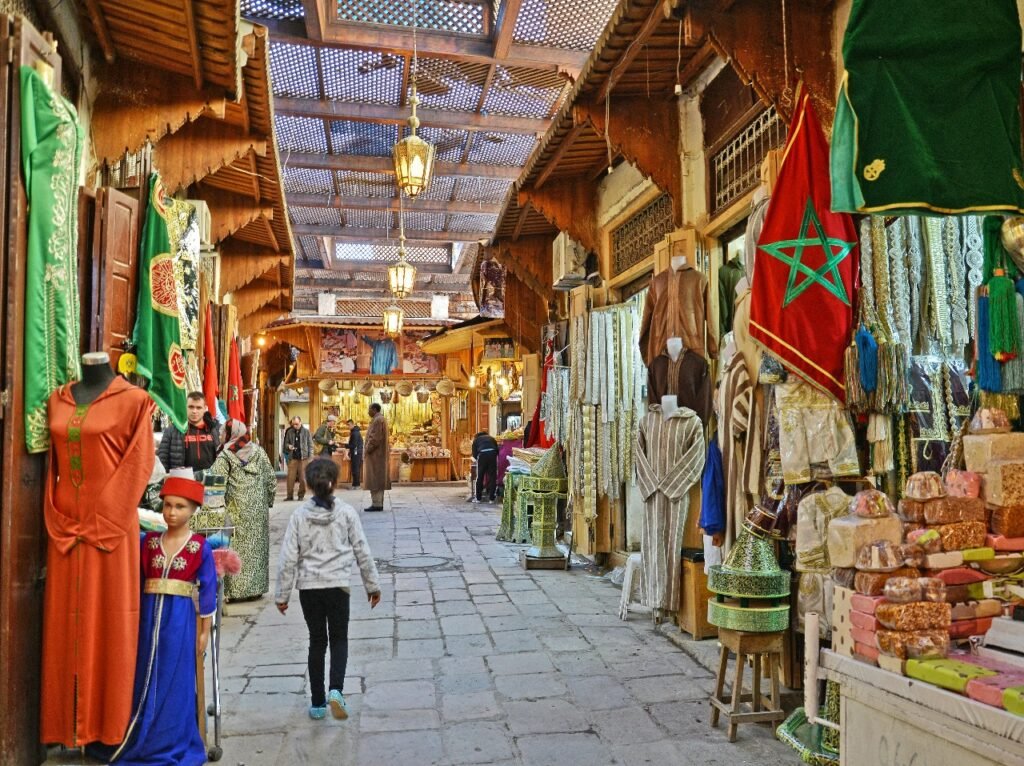
Pickpocketing and bag snatching represent the most common crimes affecting tourists. These incidents typically occur in crowded medinas, markets, and on public transportation. Theft rates in Morocco are comparable to many European tourist destinations.
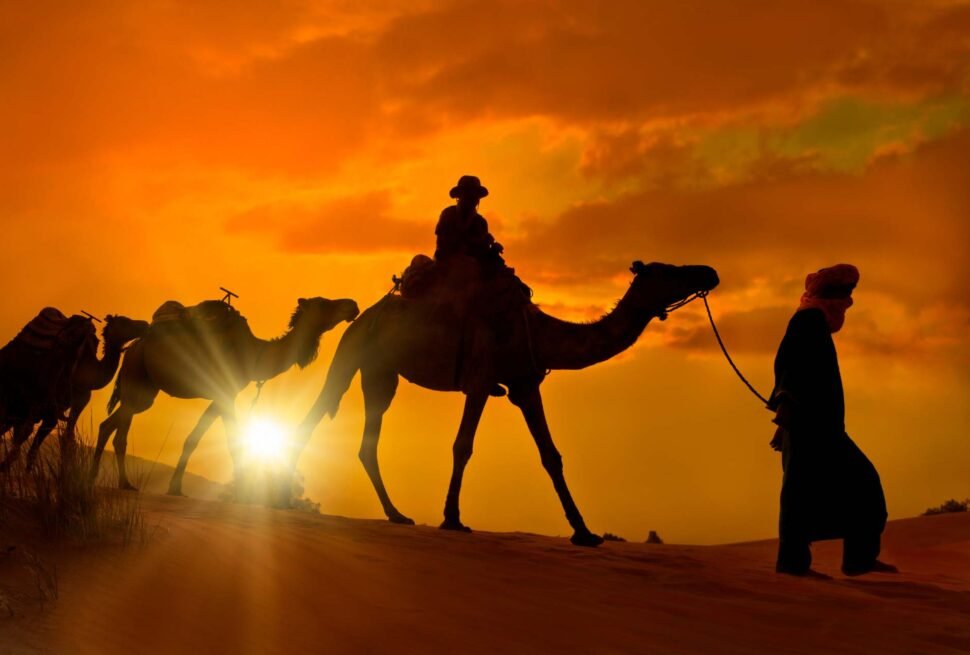
Tourist scams exist, particularly in major cities. Common schemes include fake tour guides, overpriced services, and aggressive vendors. However, these are nuisances rather than safety threats. When booking your Morocco desert tours through reputable operators, you significantly reduce scam exposure.
Violent Crime Statistics
Violent crime against tourists is exceptionally rare in Morocco. The homicide rate stands at approximately 1.5 per 100,000 people, significantly lower than many Western countries. Tourists are rarely targeted for violent crimes, and most visits are trouble-free.
Common misconception: Many travelers believe Morocco is dangerous due to regional instability elsewhere in North Africa. This is incorrect—Morocco has remained stable and peaceful, separate from conflicts in neighboring regions.
Health and Medical Safety
Health considerations form an important part of answering is Morocco safe for tourists. No mandatory vaccinations are required for entry, though routine vaccines are recommended. The CDC suggests hepatitis A and typhoid vaccines for most travelers.
Tap water safety varies by location. In major cities, tap water is treated and generally safe, but most tourists prefer bottled water to avoid stomach upset. Food safety standards in established restaurants are good, though street food requires caution.
Medical facilities in cities like Casablanca, Rabat, and Marrakech meet international standards. Private clinics offer excellent care, and many doctors speak English or French. Travel insurance is strongly recommended. For detailed travel preparation, visit our plan your trip page.
Transportation Safety in Morocco
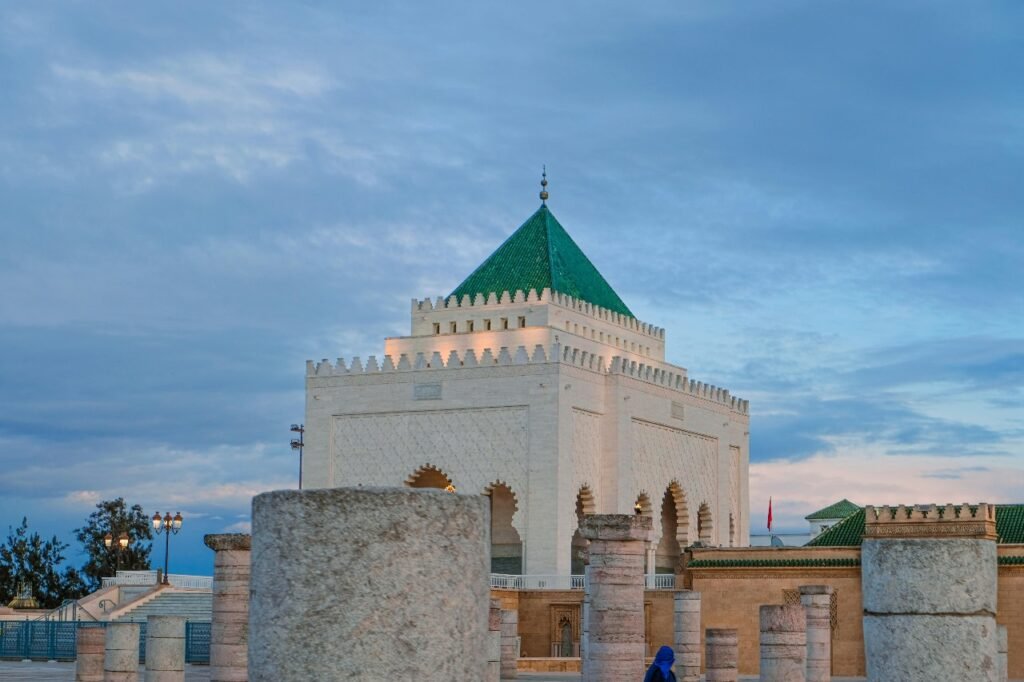
Road safety presents the most significant risk to tourists in Morocco. Traffic accidents cause more tourist injuries than crime. Moroccan driving styles can be aggressive, and rural roads may lack proper maintenance or lighting.
Public transportation options include trains, buses, and taxis. The ONCF rail system is modern, safe, and reliable for intercity travel. Licensed grand taxis and CTM buses provide secure alternatives. Our grand tours of Morocco include professional drivers familiar with local road conditions.
Driving Considerations
- Rental cars are widely available, but defensive driving is essential
- Mountain roads require experience and caution
- Urban traffic congestion can be challenging for unfamiliar drivers
- Night driving outside cities is not recommended
Safety for Women Travelers
Women travelers frequently ask is Morocco safe for tourists of their gender. Morocco is accessible for women travelers, including solo female visitors, though it requires cultural awareness and appropriate precautions.
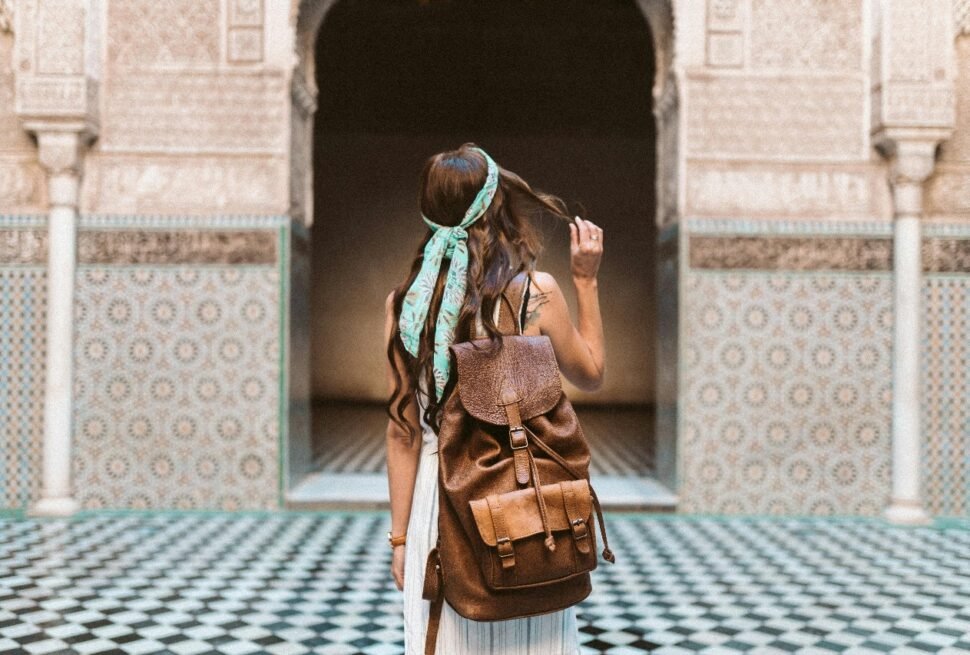
Harassment, particularly verbal comments, can occur in tourist areas. This reflects cultural differences rather than physical threats. Women should dress modestly, covering shoulders and knees, especially outside resort areas. This respect for local customs typically reduces unwanted attention.
Female travelers report successful trips by staying in reputable accommodations, using registered taxis, and joining organized tours for certain activities. Our Morocco tours & private tours provide secure, culturally sensitive experiences.
Regional Safety Considerations
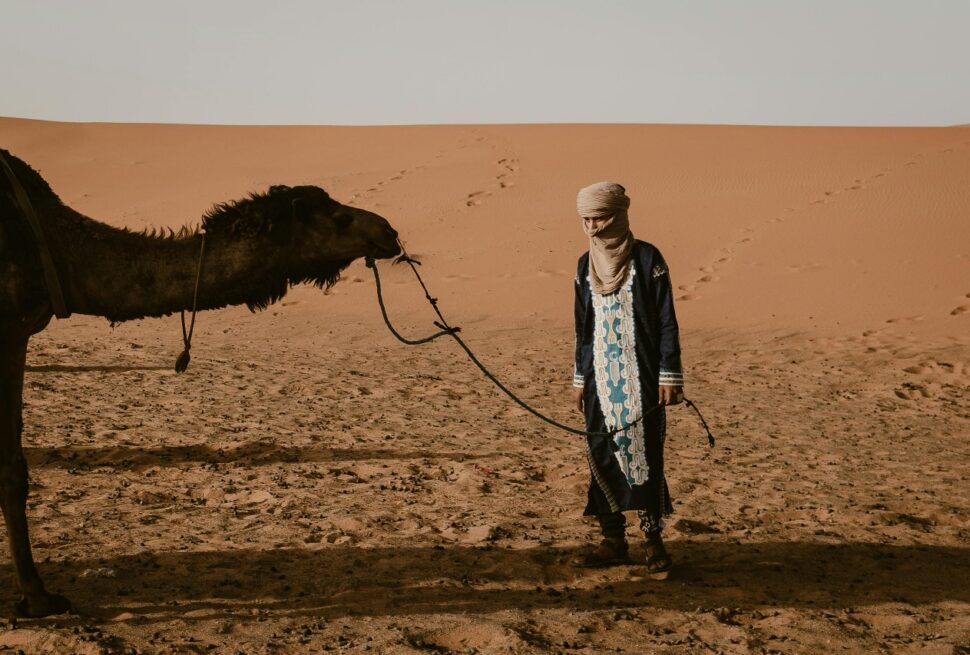
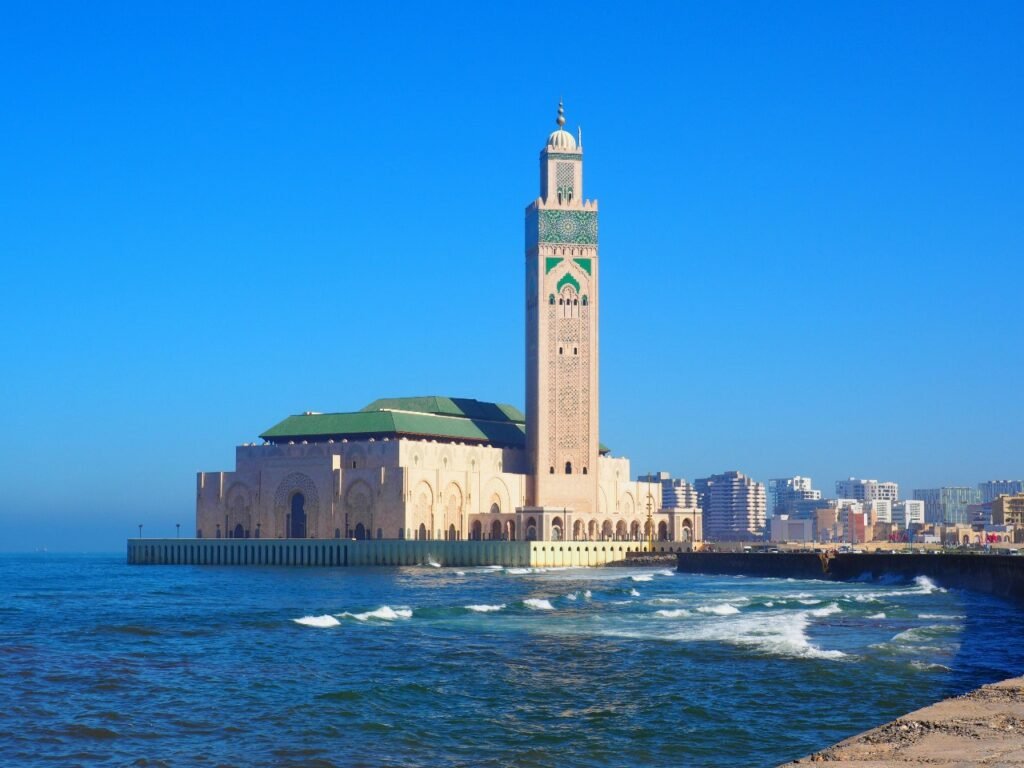
Safety levels vary slightly across Morocco’s regions. Major tourist cities—Marrakech, Fez, Casablanca, Rabat, and Tangier—maintain high security standards. The Atlas Mountains and Sahara Desert are safe with proper guides and preparation.
The Western Sahara border region has travel restrictions, and the U.S. State Department advises increased caution near the Algeria border. However, these areas are far from typical tourist circuits. Standard tourist destinations are completely safe and well-monitored.
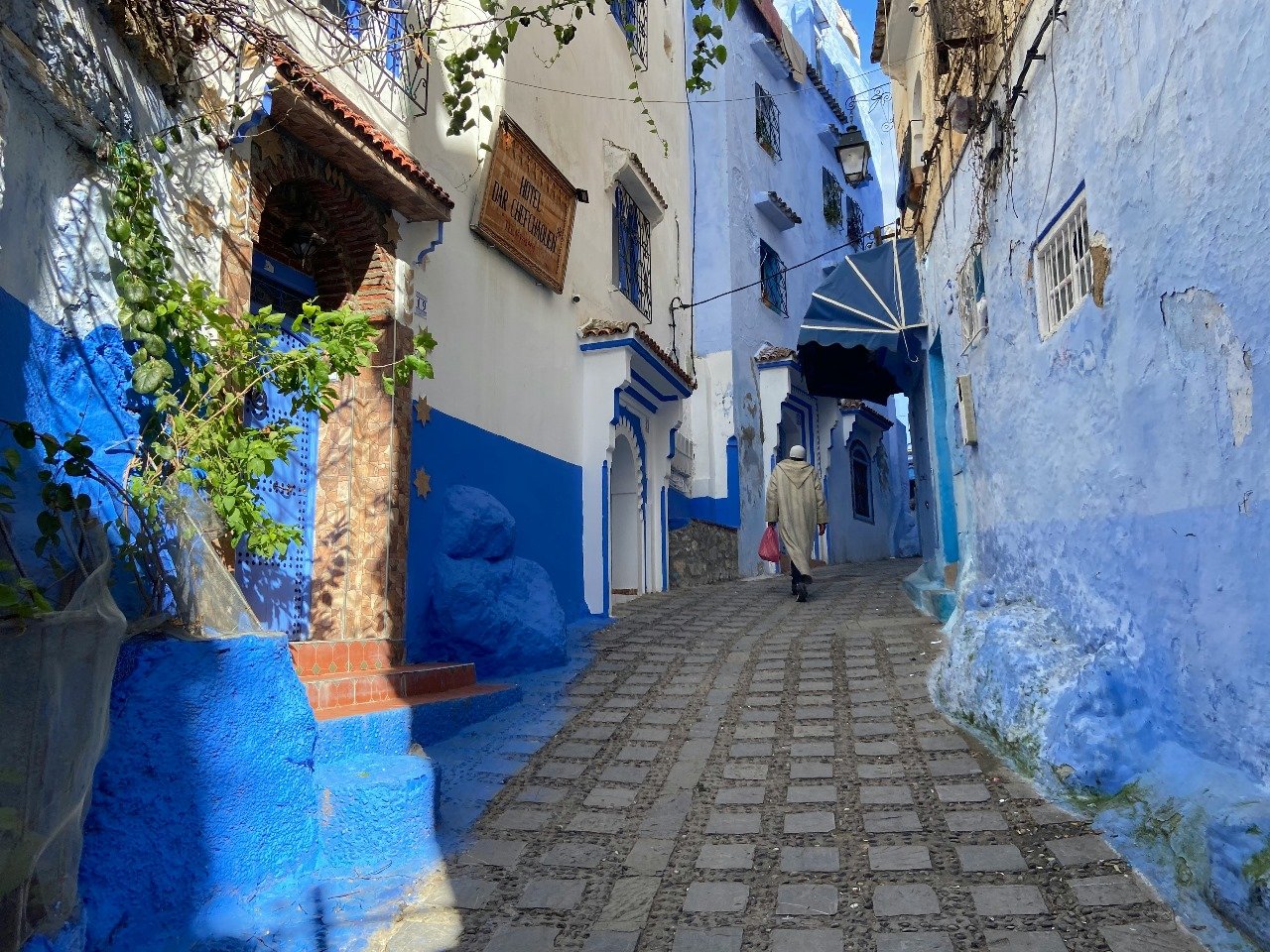
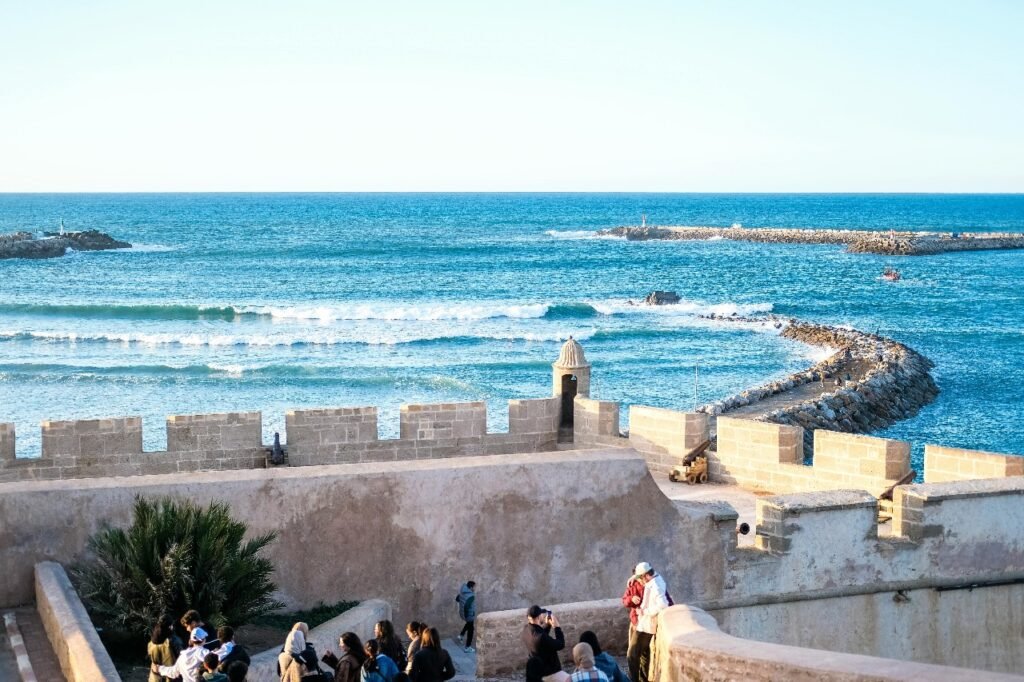
Coastal cities like Essaouira and Agadir offer relaxed atmospheres with excellent safety records. The blue city of Chefchaouen is remarkably safe and peaceful, popular with independent travelers.
Practical Safety Tips
Maximizing your safety in Morocco requires common-sense precautions similar to any international destination. These practical measures ensure the answer to is Morocco safe for tourists remains affirmative for your visit.
Essential Safety Measures
- Secure valuables: Use hotel safes for passports, excess cash, and expensive electronics
- Stay aware: Remain alert in crowded areas and keep belongings close
- Use registered services: Book accommodations, tours, and transportation through established providers
- Keep copies: Photograph important documents and store them separately
- Share itineraries: Inform someone of your travel plans and check in regularly
- Respect culture: Dress modestly and learn basic cultural norms
- Avoid displays of wealth: Don’t wear expensive jewelry or flash large amounts of cash
Exchange money at official bureaus de change or ATMs rather than with street vendors. ATMs in Morocco are generally safe, particularly those inside banks or hotels. Check our FAQ’s section for more practical travel advice.
Emergency Contacts
Save these essential numbers before traveling:
- Police: 19
- Tourist Police: 0537 70 97 88
- Emergency Services: 150
- Fire Department: 15
Register with your embassy upon arrival for additional security support. Most embassies are located in Rabat, with consulates in major cities.
Frequently Asked Questions
Is Morocco safe for American tourists?
Yes, Morocco is safe for American tourists. The U.S. State Department rates most of Morocco as Level 1 (Exercise Normal Precautions). Americans are welcomed warmly, and Morocco has strong diplomatic relations with the United States. Standard travel precautions apply, as they would for any international destination.
What should I avoid in Morocco as a tourist?
Avoid unlicensed guides, unofficial taxis, displaying wealth openly, walking alone late at night in isolated areas, photographing police or military installations, and drinking tap water in rural areas. Also avoid political discussions and disrespecting religious customs. These simple precautions ensure a safe visit.
Can I drink alcohol in Morocco safely?
Yes, alcohol is available in Morocco despite being a Muslim-majority country. Licensed restaurants, hotels, and bars serve alcohol legally. However, public intoxication is offensive and can lead to problems. Drink responsibly, never drink and drive, and respect local customs by consuming alcohol in appropriate venues only.
Is it safe to visit Morocco during Ramadan?
Yes, Morocco is safe during Ramadan. The holy month is actually an excellent time to experience Moroccan culture. Many restaurants remain open for non-Muslims, particularly in tourist areas. Show respect by not eating, drinking, or smoking publicly during daylight hours. Tourist sites operate normally with adjusted hours.
Do I need a guide to travel safely in Morocco?
While not mandatory for safety, a professional guide enhances security and experience, particularly in medinas and rural areas. Guides help navigate complex streets, translate, and prevent scams. For desert excursions and mountain treks, professional guides are essential for safety. Independent travel in major cities is perfectly safe with proper preparation.
Are Moroccan riads and hotels safe?
Yes, established riads and hotels in Morocco are safe and secure. Most feature locked entrance doors, staff presence, and room safes. Book through reputable platforms or tour operators to ensure quality and security. Traditional riads in medinas are typically safe, though location within the medina affects noise levels and accessibility rather than safety.
Conclusion
So, is Morocco safe for tourists? The evidence overwhelmingly indicates yes. With sensible precautions, cultural respect, and proper planning, Morocco offers a safe, enriching travel experience. Millions of visitors explore this fascinating country annually without incident, enjoying its imperial cities, Sahara landscapes, and Atlantic coastlines.
The key to safe travel lies in preparation, awareness, and choosing reputable services. Whether you’re exploring ancient medinas, trekking the Atlas Mountains, or experiencing the Sahara Desert, Morocco welcomes you with warmth and security.
Ready to experience Morocco safely and authentically? Contact us to plan your secure, memorable Moroccan adventure with expert guidance and local knowledge. Learn more about us and our commitment to safe, exceptional travel experiences.