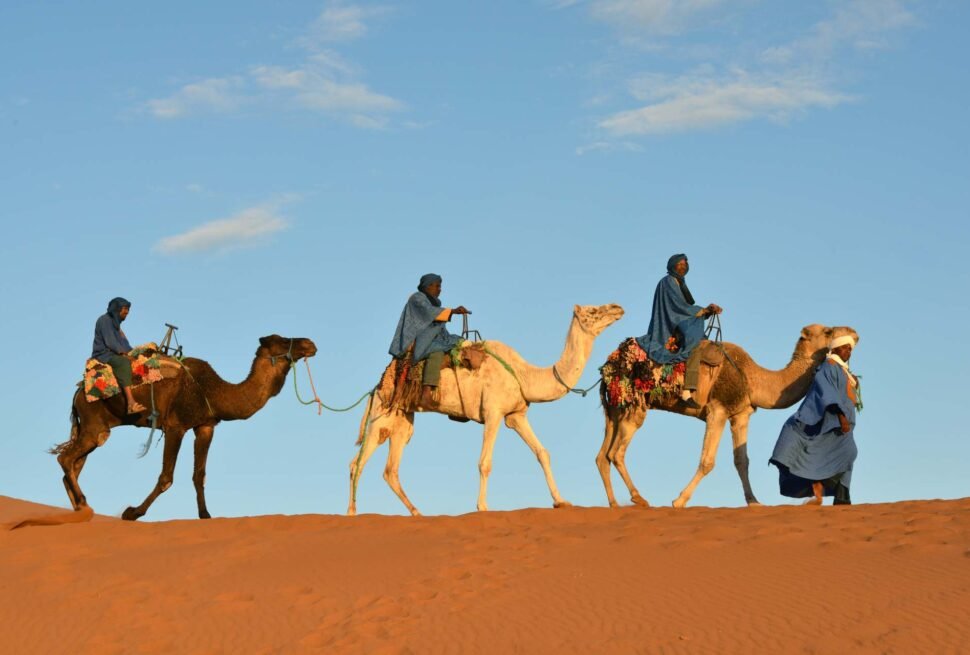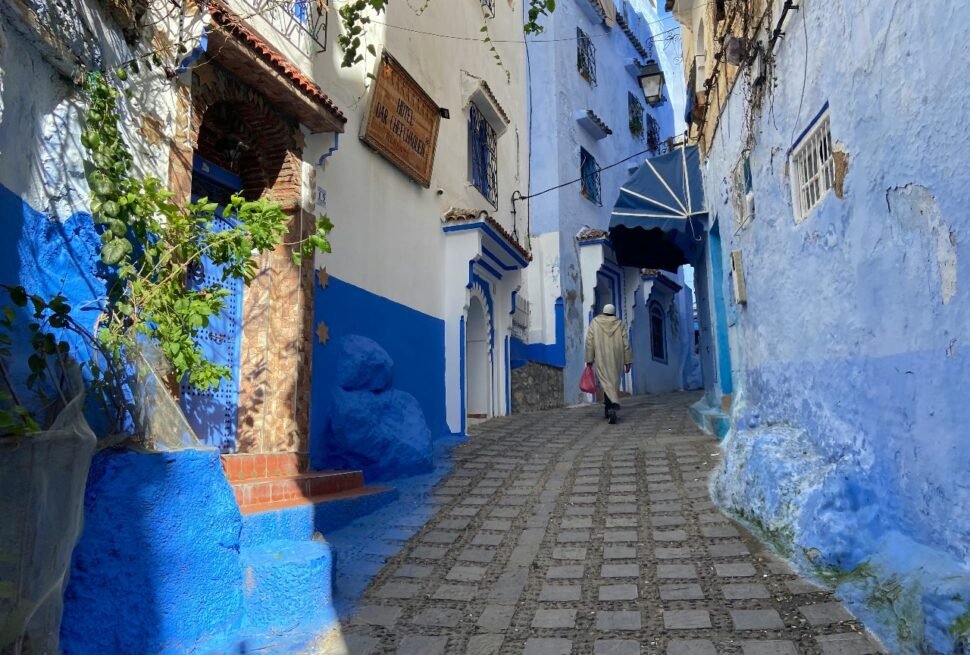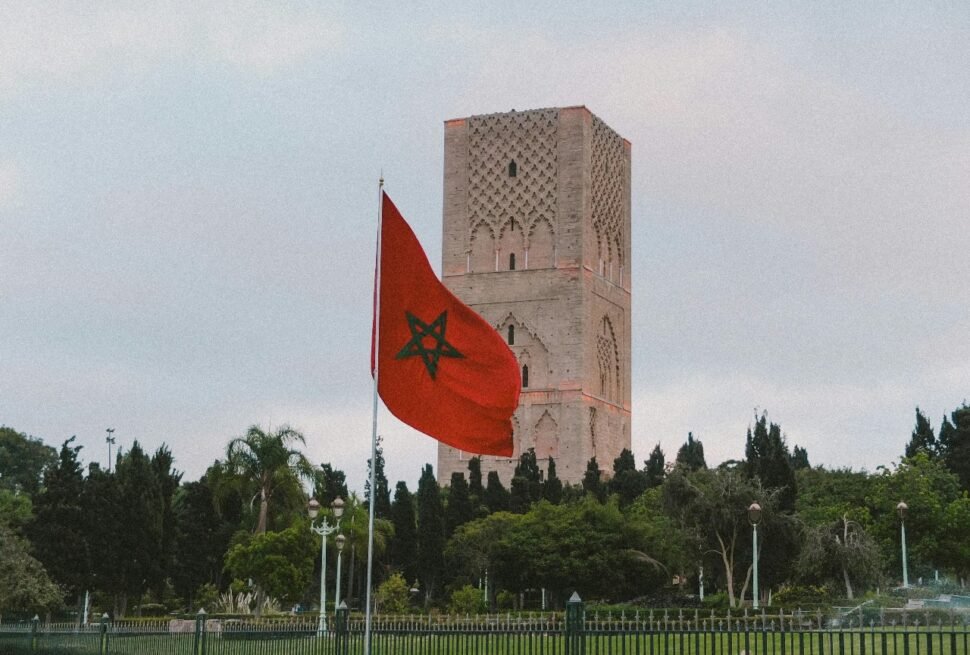


Planning a trip to Morocco and wondering about the best ways to explore this enchanting North African country? Understanding how to get around Morocco is essential for making the most of your journey. With diverse landscapes ranging from imperial cities to Saharan dunes, Morocco offers multiple transportation options that cater to every budget and travel style. This comprehensive guide will help you navigate Morocco’s transportation network with confidence and ease.
Traveling by Train in Morocco
Morocco boasts one of Africa’s most modern and efficient railway networks, operated by ONCF (Office National des Chemins de Fer). The country made headlines in 2018 by launching Africa’s first high-speed train, the Al Boraq, which connects Casablanca to Tangier in just over two hours at speeds reaching 320 km/h.
Train travel is one of the most comfortable ways to get around Morocco, especially between major cities. The network connects Tangier, Rabat, Casablanca, Marrakech, Fes, Meknes, and Oujda. First-class carriages offer spacious seating and air conditioning, making long journeys pleasant and scenic.
Tickets can be purchased online, at stations, or through travel agencies. As of 2026, train travel remains remarkably affordable, with a first-class ticket from Casablanca to Marrakech costing approximately 150-200 MAD ($15-20 USD). It’s advisable to book popular routes in advance, especially during peak tourist seasons.
Buses and Coach Services
When figuring out how to get around Morocco on a budget, buses offer extensive coverage reaching destinations trains cannot. CTM and Supratours are the two main premium bus companies, providing comfortable, air-conditioned coaches with reliable schedules.
CTM buses connect all major cities and many smaller towns, offering modern amenities including Wi-Fi on select routes. Supratours, owned by the national railway, provides coordinated connections with train services, making it easy to reach southern destinations like Essaouira, Agadir, and the desert towns.
Local Bus Options
Beyond premium services, local buses offer cheaper alternatives but with less comfort and predictability. These buses serve rural areas and provide an authentic travel experience, though schedules can be flexible and stops frequent.
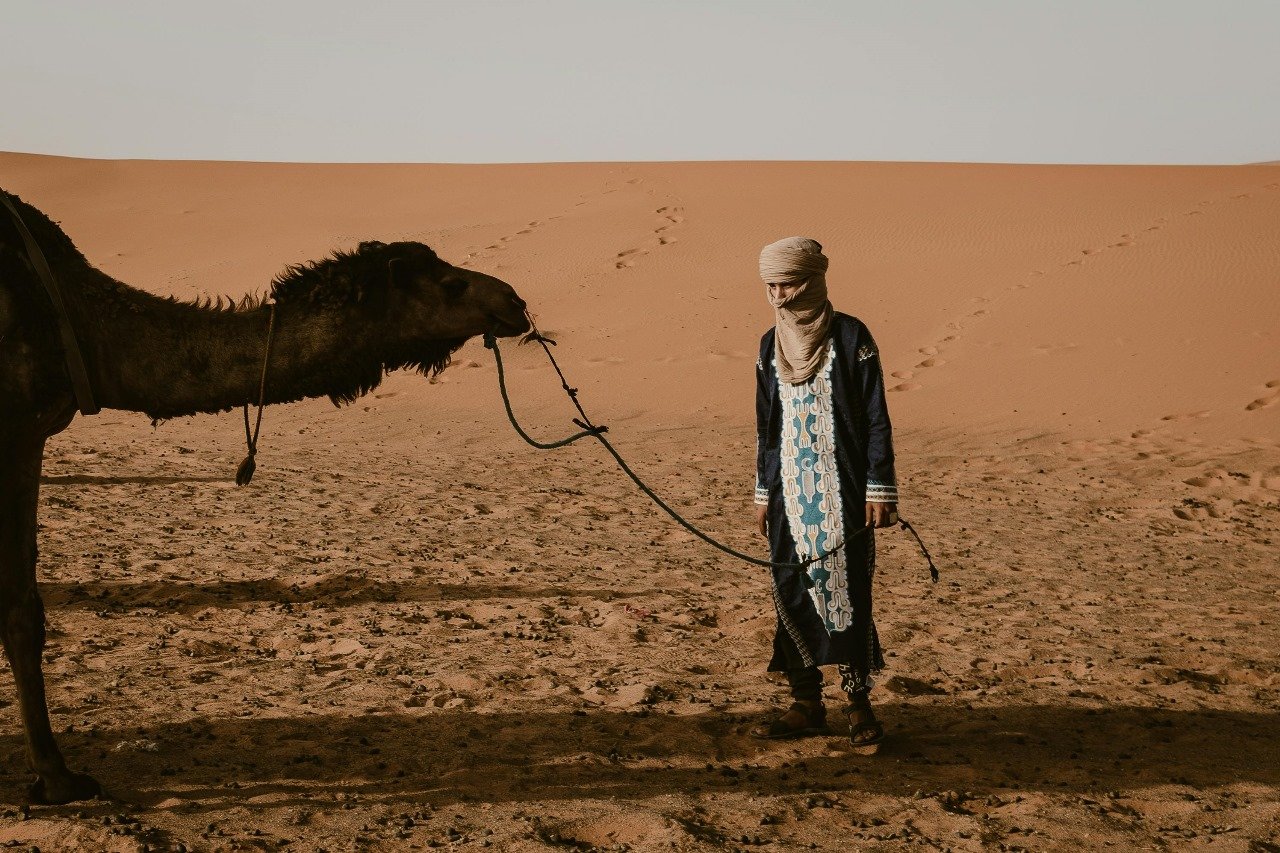
For budget-conscious travelers exploring Morocco’s desert regions, buses remain the most economical choice. A journey from Marrakech to Merzouga takes approximately 10-12 hours by bus but costs a fraction of other transportation methods.
Understanding Moroccan Taxis
Taxis in Morocco come in two distinct types: petit taxis and grand taxis. Understanding the difference is crucial when learning how to get around Morocco efficiently.
Petit Taxis
Petit taxis are small, color-coded vehicles (colors vary by city) that operate within city limits. They can carry up to three passengers and are metered, though drivers may sometimes prefer negotiating flat rates for tourists. Always insist on using the meter or agree on a price before departure.
Grand Taxis
Grand taxis are larger vehicles, typically Mercedes sedans, that travel between cities and can accommodate up to six passengers. They depart when full and operate on fixed routes. While less comfortable than buses, grand taxis are faster and useful for reaching towns with limited bus service.
According to data from Morocco’s Ministry of Transport, grand taxis transport over 2 million passengers annually on intercity routes, making them a vital part of Morocco’s transportation infrastructure.
Private Tours and Drivers
For travelers seeking comfort, flexibility, and local expertise, private tours offer the ultimate way to get around Morocco. Professional drivers with comfortable vehicles provide door-to-door service, eliminating the stress of navigation and logistics.
Companies specializing in Morocco private tours design customized itineraries tailored to your interests and schedule. This option proves especially valuable for families, groups, or those with limited time who want to maximize their Moroccan experience.
Private tours also provide access to knowledgeable local guides who share cultural insights, historical context, and hidden gems unavailable to independent travelers. When booking grand tours of Morocco, you’ll enjoy pre-arranged accommodations, meals, and activities without worrying about transportation logistics.
Renting a Car in Morocco
Renting a car offers maximum flexibility when exploring Morocco, particularly for venturing off the beaten path. International car rental companies operate in major cities and airports, with rates starting around 250 MAD ($25 USD) per day for basic vehicles.
An international driving permit is technically required alongside your home country’s license, though enforcement varies. Morocco drives on the right side of the road, and road conditions range from excellent highways to challenging mountain passes.
Driving Considerations
- Insurance: Purchase comprehensive coverage as roads can be unpredictable
- Navigation: GPS or offline maps are essential, as signage may be unclear
- Fuel: Gas stations are common in cities but sparse in rural areas
- Parking: Expect to pay parking attendants (gardiens) in cities, typically 5-10 MAD
Common Misconception: Many travelers believe Moroccan roads are uniformly dangerous or poorly maintained. In reality, major highways connecting cities are well-maintained and safe. However, mountain roads require caution, particularly the Atlas Mountain passes during winter months.
Domestic Flights
For those wondering how to get around Morocco quickly, domestic flights save considerable time when covering long distances. Royal Air Maroc operates flights connecting Casablanca, Marrakech, Fes, Tangier, Agadir, Essaouira, and other cities.
Flight times average 45 minutes to one hour between major cities, compared to 8-10 hours by road. However, when factoring in airport transfers and check-in times, flights are most practical for reaching southern destinations like Dakhla or Laayoune.
Budget airlines occasionally offer promotional fares, but booking 2-3 months in advance typically yields the best prices. Domestic flights start around 500 MAD ($50 USD) for shorter routes.
Getting Around Cities
Within Moroccan cities, transportation options vary by location. Medinas (old city centers) are best explored on foot, as narrow alleyways prohibit vehicle access. Modern ville nouvelles (new towns) accommodate various transport modes.
Casablanca and Rabat feature modern tramway systems providing efficient, affordable urban transport. The Casablanca tramway, opened in 2012, serves over 150,000 passengers daily according to operational statistics.
Walking and Safety
Walking remains the best way to experience Morocco’s atmospheric medinas. However, first-time visitors often benefit from hiring official guides for initial orientation. Cities like Fes and Marrakech have labyrinthine medinas where getting temporarily lost is part of the adventure.
Essential Travel Tips
Mastering how to get around Morocco requires understanding a few cultural and practical considerations. These tips will enhance your travel experience:
- Negotiate fairly: For non-metered transport, agree on prices beforehand but recognize fair value
- Allow extra time: Moroccan transport sometimes runs on “flexible schedules”
- Learn basic French or Arabic phrases: English is less common outside major tourist areas
- Carry small bills: Breaking large notes for transport payments can be challenging
- Stay flexible: Transport delays occasionally occur; maintain patience and good humor
For comprehensive planning assistance, consult trip planning resources that provide detailed guidance on timing, costs, and logistics. Additional questions can be addressed through frequently asked questions or by reaching out via contact services.
Frequently Asked Questions
Is it safe to use public transportation in Morocco?
Yes, public transportation in Morocco is generally safe for tourists. Trains and CTM buses maintain high safety standards. Exercise normal precautions with personal belongings, particularly in crowded stations. Women travelers report feeling comfortable on trains and premium buses, especially in first-class compartments.
How much does it cost to travel around Morocco?
Transportation costs vary significantly by mode. Train tickets between major cities range from 100-250 MAD ($10-25 USD). Premium buses cost 150-300 MAD for long-distance routes. Petit taxi rides within cities typically cost 10-30 MAD. Private drivers with vehicles average 800-1,200 MAD per day including fuel.
Can I use ride-sharing apps in Morocco?
As of 2026, ride-sharing services operate in major Moroccan cities. Careem and Heetch function in Casablanca, Rabat, and Marrakech, offering convenient alternatives to traditional taxis. These apps provide transparent pricing and eliminate negotiation, though traditional taxis remain more prevalent in smaller cities.
What’s the best way to reach the Sahara Desert from Marrakech?
Multiple options exist for reaching the Sahara from Marrakech. Organized desert tours provide the most convenient experience, including transportation, accommodation, and activities. Alternatively, buses run to Merzouga (gateway to Erg Chebbi dunes) in 10-12 hours. Private drivers offer flexibility for custom itineraries with stops at Atlas Mountain villages and kasbahs en route.
Do I need to book transportation in advance?
Advance booking is recommended for trains during holidays and summer months, domestic flights, and private tours. Premium buses (CTM, Supratours) can usually be booked 1-2 days ahead, though popular routes fill quickly. Grand taxis and local buses operate on a first-come basis without reservations.
Are Morocco’s roads suitable for driving?
Morocco’s road network includes excellent highways connecting major cities, well-maintained regional roads, and challenging mountain passes. International travelers with moderate driving experience handle main routes comfortably. However, mountain roads, particularly in the Atlas ranges and Rif, require confident driving skills and appropriate vehicles.
Understanding how to get around Morocco opens up this fascinating country’s incredible diversity. Whether you choose the efficiency of trains, the affordability of buses, the flexibility of rental cars, or the convenience of private tours, Morocco’s transportation options accommodate every travel style. With proper planning and an adventurous spirit, navigating Morocco becomes an enriching part of your North African journey. Start planning your perfect Moroccan adventure today and discover why this kingdom continues to captivate travelers from around the world.